Specialties
Cardiac Surgery
Cardiac surgery is performed to treat conditions affecting the heart and the blood vessels that supply it. When medications, lifestyle changes, angioplasty, or other treatments are not sufficient, surgery may be recommended to improve blood flow, repair or replace damaged heart valves, or correct other structural problems of the heart.
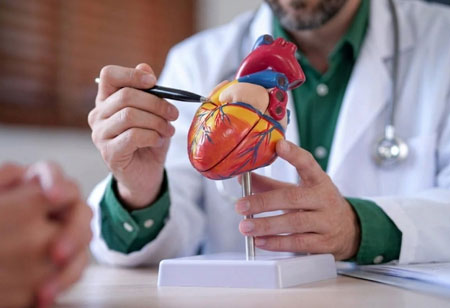
For patients and their families, the decision to undergo heart surgery can naturally bring many questions and concerns. Understanding the condition, available treatment options, preparation before surgery, and recovery after surgery can make the treatment journey easier and more comfortable.
Under the care of Dr. Chaitanya Raut, Consultant Cardiovascular and Thoracic Surgeon, patients receive comprehensive evaluation and individualized surgical planning based on their heart condition, overall health, and specific treatment requirements.
What Is Cardiac Surgery?
Cardiac surgery includes a range of surgical procedures performed to treat diseases and problems affecting the heart. Depending on the condition, surgery may be required to improve blood supply to the heart, repair or replace heart valves, treat diseases of the aorta, or manage certain congenital and structural heart conditions.
Modern cardiac surgery includes both conventional and minimally invasive techniques. The most appropriate approach depends on the patient's diagnosis, anatomy, medical history, and the complexity of the procedure.
When Is Cardiac Surgery Recommended?
Cardiac surgery may be considered when a heart condition is severe, progressive, or unlikely to be adequately treated with medicines or less invasive procedures. Some common situations where surgery may be recommended include:
- Severe coronary artery disease with multiple blocked arteries
- Significant narrowing or blockage of the coronary arteries
- Heart valve disease requiring repair or replacement
- Severe aortic valve disease
- Certain diseases of the aorta
- Selected congenital heart conditions
- Complications following a heart attack
- Other complex structural or cardiovascular conditions requiring surgical treatment
The decision for surgery is made after detailed cardiac evaluation and discussion between the patient, cardiologist, cardiac surgeon, and other members of the heart team when required.
Common Types of Cardiac Surgery
Depending on the patient's condition, cardiac surgery may include:
- Coronary Artery Bypass Grafting (CABG): Creates a new route for blood to flow around blocked coronary arteries.
- Valve Repair Surgery: Repairs a damaged heart valve when possible, helping preserve the patient's own valve.
- Valve Replacement Surgery: Replaces a severely damaged or diseased heart valve with an appropriate replacement.
- Minimal Access Cardiac Surgery: Uses smaller surgical incisions for selected cardiac procedures.
- Aortic Surgery: Treats selected diseases affecting the aorta and major blood vessels.
- Congenital Heart Surgery: Provides surgical treatment for selected congenital heart conditions.
How Is Cardiac Surgery Planned?
Before surgery, the medical team performs a detailed assessment to understand the patient's heart condition and overall health. Depending on the case, this may include blood tests, ECG, echocardiography, coronary angiography, CT scans, or other investigations.
The surgical plan is then developed according to the patient's specific condition. Factors such as age, heart function, diabetes, blood pressure, kidney function, previous procedures, and other medical conditions may be considered when planning surgery.
What Can You Expect After Cardiac Surgery?
After heart surgery, patients are usually monitored closely in the intensive care unit before moving to a regular hospital room. The recovery period varies depending on the type of surgery, the patient's general health, and the complexity of the procedure.
It is common to experience tiredness, weakness, reduced appetite, and some discomfort during the early recovery period. Patients gradually regain their strength as they become more active and follow their recovery plan.
After Cardiac Surgery: What Should You Take Care Of?
Good postoperative care is an important part of recovery. Once you return home, follow the instructions provided by your cardiac surgeon and healthcare team.
- Take Medicines Regularly: Take all prescribed medicines exactly as advised. Do not stop or change any medicine without consulting your doctor.
- Take Care of the Surgical Wound: Keep the incision clean and follow the wound-care instructions provided by your medical team. Watch for increasing redness, swelling, discharge, or worsening pain.
- Start Walking Gradually: Gentle walking is generally encouraged as recovery progresses. Increase activity gradually according to your surgeon's advice rather than trying to do too much too soon.
- Attend Follow-Up Appointments: Regular follow-up helps your doctor monitor healing, heart function, medications, and overall recovery.
- Follow Cardiac Rehabilitation: If recommended, cardiac rehabilitation can help with supervised exercise, education, nutrition, and a safe return to daily activities.
- Avoid Heavy Physical Strain: Do not lift heavy objects or perform strenuous activities until your surgeon confirms that it is safe to do so.
- Get Adequate Rest: Feeling tired during the early recovery period can be common. Balance periods of activity with sufficient rest.
- Do Not Smoke: Avoid smoking and tobacco products, as they can negatively affect cardiovascular health and recovery.
- Monitor Your Health: Follow your doctor's instructions regarding blood pressure, blood sugar, weight, temperature, or other health measurements.
What Should You Eat After Cardiac Surgery?
Good nutrition supports healing and is also important for long-term heart health. Your exact diet may need to be adjusted according to your medical conditions, medications, kidney function, diabetes, and other individual requirements.
A generally heart-healthy eating pattern can include:
- Fresh Fruits: Include a variety of fruits as part of a balanced diet.
- Vegetables: Include plenty of vegetables, preferably prepared with limited added salt and unhealthy fats.
- Whole Grains: Choose foods such as whole-wheat roti, oats, brown rice, and other whole-grain options where appropriate.
- Healthy Protein: Include suitable sources such as pulses, beans, lentils, fish, and other lean protein options according to your doctor's or dietitian's advice.
- Healthy Fats: Prefer healthier unsaturated fat sources in appropriate amounts and limit foods high in saturated and trans fats.
- Low-Salt Foods: Limiting excess salt may be particularly important for patients advised to control blood pressure or fluid retention.
- Adequate Fluids: Maintain appropriate fluid intake unless your doctor has advised you to restrict fluids.
Foods to Limit After Heart Surgery
For long-term heart health, it is generally helpful to limit foods that are high in salt, saturated fat, trans fat, and added sugars.
- Very salty foods and excessive table salt
- Deep-fried and heavily processed foods
- Foods high in saturated or trans fats
- Processed meats and excessive red meat
- Sugary drinks and excessive sweets
- Highly processed packaged snacks
- Excessive alcohol, unless specifically permitted by your doctor
If you have diabetes, kidney disease, heart failure, or another medical condition, your dietary requirements may be different. Always follow the personalized diet plan provided by your doctor or dietitian.
Warning Signs After Cardiac Surgery
Some discomfort and tiredness can occur during recovery, but certain symptoms require prompt medical attention. Contact your healthcare team if you develop concerning or worsening symptoms such as:
- Increasing chest pain or pressure
- New or worsening shortness of breath
- Fever or signs of infection
- Increasing redness, swelling, or discharge from the surgical wound
- Sudden or worsening swelling of the legs
- Fast, irregular, or unusual heartbeat
- Fainting, severe dizziness, or unusual weakness
- Sudden neurological symptoms such as difficulty speaking, facial weakness, or weakness of an arm or leg
For severe or sudden symptoms, seek emergency medical care rather than waiting for a routine follow-up appointment.
How Can You Protect Your Heart After Surgery?
Heart surgery treats an important underlying problem, but long-term heart health also depends on managing the factors that can contribute to future cardiovascular disease.
- Keep blood pressure under control
- Manage cholesterol levels
- Maintain healthy blood sugar levels
- Follow a heart-healthy diet
- Stay physically active as advised by your medical team
- Maintain a healthy body weight
- Avoid smoking and tobacco
- Take prescribed medicines consistently
- Attend regular cardiac follow-ups
- Participate in cardiac rehabilitation when recommended
Advanced & Patient-Focused Cardiac Surgical Care
Dr. Chaitanya Raut is a Consultant Cardiovascular and Thoracic Surgeon with extensive experience in cardiac surgery and related cardiovascular procedures. His clinical expertise includes Coronary Artery Bypass Surgery, Minimal Access Cardiac Surgery, Valve Surgery, Aortic Surgery, Congenital Heart Surgery, Thoracic Surgery, VATS, and Vascular Surgery.
His approach focuses on understanding each patient's condition in detail and selecting the most appropriate surgical strategy based on individual needs. With experience in both conventional and minimally invasive cardiac procedures, the emphasis remains on safe surgery, careful recovery, and long-term cardiovascular health.
Cardiac surgery is an important step toward better heart health, but recovery does not end when you leave the hospital. Following your doctor's advice, taking medicines regularly, eating a heart-healthy diet, gradually increasing activity, and attending follow-up appointments can all support a safer and healthier recovery.