Specialties
Minimal Access Cardiac Surgery
Minimal Access Cardiac Surgery is an advanced surgical approach that allows selected heart procedures to be performed through smaller incisions than those used in conventional open-heart surgery. By using specialized surgical techniques and instruments, the surgeon can access the heart while reducing the size of the surgical opening.
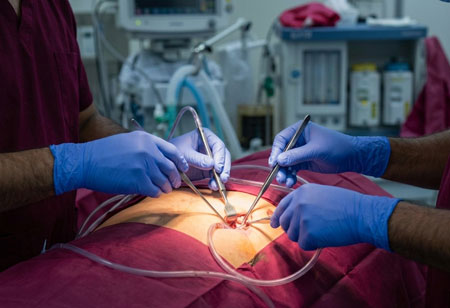
For appropriately selected patients, minimal access cardiac surgery can offer benefits such as smaller scars, potentially less postoperative discomfort, and a smoother recovery. However, this approach is not suitable for every patient. The safest and most effective surgical technique is selected after carefully evaluating the patient's heart condition, anatomy, medical history, and overall health.
Dr. Chaitanya Raut, Consultant Cardiovascular and Thoracic Surgeon, has experience in Minimal Access Cardiac Surgery and provides individualized surgical planning based on each patient's specific cardiac condition.
What Is Minimal Access Cardiac Surgery?
Traditional cardiac surgery may require a larger incision to provide access to the heart. Minimal access cardiac surgery uses smaller surgical openings and specialized instruments to perform selected procedures.
The aim is to achieve the required surgical treatment while minimizing unnecessary disruption to surrounding tissues. Depending on the procedure, specialized cameras, instruments, and surgical techniques may be used to provide the surgeon with a clear view and precise access to the heart.
When Is Minimal Access Cardiac Surgery Considered?
Minimal access techniques may be considered for selected patients who require cardiac surgery. The suitability of the procedure depends on several factors, including the type of heart disease and the complexity of the required operation.
It may be considered in selected cases involving:
- Heart valve disease
- Mitral valve repair or replacement
- Selected aortic valve procedures
- Selected congenital heart conditions
- Other appropriately selected cardiac procedures
A detailed evaluation is necessary before deciding whether a minimally invasive approach is appropriate for a particular patient.
Benefits of Minimal Access Cardiac Surgery
For suitable patients, minimal access cardiac surgery may provide several potential advantages compared with conventional surgical approaches.
- Smaller Incisions: The procedure is performed through smaller surgical openings in selected cases.
- Less Visible Scarring: Smaller incisions may result in less noticeable surgical scars.
- Reduced Postoperative Discomfort: Some patients may experience less discomfort during recovery.
- Less Surgical Trauma: The smaller access points may reduce disruption to surrounding tissues.
- Earlier Mobilization: Selected patients may be able to start moving and performing routine activities earlier during recovery.
- Potentially Faster Recovery: A minimally invasive approach may support a quicker return to normal activities in appropriately selected patients.
- Patient Comfort: Smaller incisions and reduced tissue disruption may contribute to a more comfortable recovery experience.
Minimal Access vs Conventional Cardiac Surgery
The main difference between minimal access and conventional cardiac surgery is the method used to reach the heart. Conventional procedures may require a larger incision, while minimal access techniques use smaller openings and specialized surgical instruments.
Minimal access surgery can provide important benefits for selected patients, but it does not mean that it is always the better option. For some complex heart conditions, conventional surgery may provide safer and more effective access to the heart.
The priority is always to select the surgical approach that provides the best possible outcome while maintaining patient safety.
How Is the Patient Evaluated Before Surgery?
Before recommending minimal access cardiac surgery, the surgical team performs a detailed evaluation. This helps determine whether the patient is a suitable candidate and which surgical approach would be safest.
Evaluation may include:
- Detailed medical and cardiac history
- Physical examination
- Electrocardiogram (ECG)
- Echocardiography
- Cardiac imaging when required
- Blood investigations
- Assessment of other medical conditions
The patient's age, heart function, previous surgeries, anatomy, and overall health are also considered before finalizing the surgical plan.
What Can You Expect After Minimal Access Cardiac Surgery?
Recovery varies depending on the type of procedure performed and the patient's overall health. Because the surgical access may be smaller, selected patients may experience less postoperative discomfort and may be able to resume normal activities sooner.
Patients are usually monitored closely after surgery and are gradually encouraged to increase their activity. The recovery plan may include medications, wound care, breathing exercises, walking, dietary guidance, and cardiac rehabilitation when recommended.
Care After Minimal Access Cardiac Surgery
Following your surgeon's instructions is an important part of a safe recovery. Patients should:
- Take all prescribed medicines as directed
- Keep the surgical wound clean and follow wound-care instructions
- Walk and increase physical activity gradually
- Avoid strenuous activities until advised by the surgeon
- Attend all scheduled follow-up appointments
- Follow recommended cardiac rehabilitation programs
- Maintain a healthy and balanced diet
- Avoid smoking and tobacco products
- Monitor for any unusual or worsening symptoms
What Should You Eat After Cardiac Surgery?
A nutritious, heart-healthy diet can support recovery and help maintain long-term cardiovascular health. Patients should follow the dietary recommendations provided by their doctor or dietitian, particularly if they have diabetes, kidney disease, high blood pressure, or other medical conditions.
Generally, a heart-friendly diet may include:
- Fresh fruits and vegetables
- Whole grains such as oats, brown rice, and whole-wheat foods
- Pulses, beans, and lentils
- Lean sources of protein
- Fish when suitable for the patient
- Healthy unsaturated fats in appropriate quantities
- Adequate fluids unless fluid restriction has been advised
Patients should generally limit excessive salt, deep-fried foods, highly processed foods, foods high in saturated fats, sugary beverages, and excessive sweets.
When Should You Contact Your Doctor?
Although some tiredness, mild discomfort, and reduced energy can occur during recovery, certain symptoms should not be ignored.
- Increasing chest pain or pressure
- New or worsening breathing difficulty
- Fever or chills
- Increasing redness, swelling, or discharge from the wound
- Sudden or increasing swelling of the legs
- Fast or irregular heartbeat
- Severe dizziness or fainting
- Sudden weakness, difficulty speaking, or other neurological symptoms
Seek urgent medical attention if symptoms are severe, sudden, or rapidly worsening.
Why Choose Minimal Access Cardiac Surgery?
For the right patient, minimal access cardiac surgery can combine the effectiveness of cardiac surgery with the potential benefits of a less invasive surgical approach. Smaller incisions, reduced tissue disruption, and a potentially smoother recovery can make the treatment experience more comfortable for selected patients.
However, the most important consideration is not simply choosing a minimally invasive procedure but choosing the right procedure for the individual patient.
Expert Minimal Access Cardiac Surgical Care
Dr. Chaitanya Raut is a Consultant Cardiovascular and Thoracic Surgeon with extensive experience in cardiac surgery and Minimal Access Cardiac Surgery. His clinical expertise includes coronary artery bypass surgery, minimally invasive cardiac surgery, valve repair and replacement, aortic surgery, congenital heart surgery, thoracic surgery, VATS, and vascular surgery.
With a patient-focused approach, Dr. Raut carefully evaluates every patient's condition before recommending a surgical approach. His goal is to provide safe, precise, and personalized cardiac surgical care while supporting patients throughout their recovery journey.
Considering heart surgery? A detailed evaluation can help determine whether Minimal Access Cardiac Surgery is suitable for you. Consult an experienced cardiovascular and thoracic surgeon to understand your treatment options and choose the approach that best fits your condition.