Specialties
Vascular Surgery
Vascular surgery is a specialized field of surgery focused on diagnosing and treating conditions affecting the body's arteries and veins. Healthy blood vessels are essential for carrying oxygen and nutrients to different parts of the body, and problems such as blockages, blood clots, narrowing, or damaged blood vessels can interfere with normal circulation.
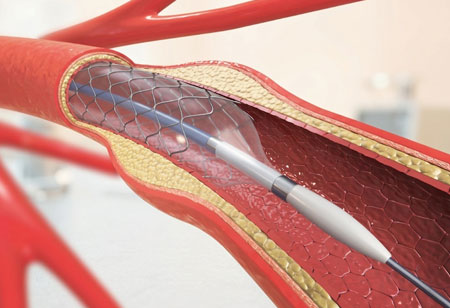
Vascular conditions can affect the legs, arms, neck, abdomen, and other parts of the body. Some conditions can be managed with medicines and lifestyle changes, while others may require an interventional procedure or surgery. Early evaluation is important because untreated vascular problems can sometimes lead to serious complications.
Dr. Chaitanya Raut, Consultant Cardiovascular and Thoracic Surgeon, has experience in peripheral vascular procedures, including embolectomy, peripheral artery bypass grafting, and A-V fistula procedures. Treatment is planned according to the patient's specific vascular condition and overall health.
What Is Vascular Surgery?
Vascular surgery involves the surgical treatment of diseases affecting arteries and veins outside the heart and brain. The objective is to restore or improve blood circulation, treat damaged blood vessels, remove blockages or clots when required, and prevent complications.
Depending on the condition, treatment may involve conventional surgery, minimally invasive vascular procedures, or a combination of medical and surgical management.
When Is Vascular Surgery Recommended?
Vascular surgery may be considered when blood flow is significantly reduced, a blood vessel is blocked or damaged, or when there is a risk of serious complications.
Vascular surgical evaluation may be required for conditions such as:
- Peripheral artery disease with significant blockage
- Acute blockage of an artery
- Blood clots causing reduced blood flow to a limb
- Peripheral arterial blockages requiring bypass
- Selected vascular injuries
- Conditions requiring creation or maintenance of vascular access
- Other complex peripheral vascular conditions
The appropriate treatment depends on the location and severity of the vascular problem, the patient's symptoms, and overall health.
Common Vascular Surgery Procedures
Depending on the patient's condition, vascular surgical treatment may include:
- Embolectomy: Removal of an embolus or blood clot from a blood vessel to restore blood flow.
- Peripheral Artery Bypass Grafting: Creates an alternate pathway for blood to flow around a severely narrowed or blocked artery.
- A-V Fistula Surgery: Creates a connection between an artery and vein to provide vascular access, commonly for patients requiring long-term dialysis.
- Vascular Reconstruction: Selected procedures to repair or restore the function of damaged or diseased blood vessels.
Common Warning Signs of Vascular Disease
Vascular disease does not always cause obvious symptoms in its early stages. However, certain symptoms may indicate reduced blood circulation and should be evaluated by a doctor.
- Leg pain or cramping while walking
- Pain that improves after resting
- Persistent numbness or weakness in the legs or feet
- Cold feet or hands compared with the rest of the body
- Changes in skin color
- Slow-healing wounds on the feet or legs
- Swelling of the legs
- Unusual heaviness or discomfort in the limbs
Persistent or worsening symptoms should not be ignored, particularly in people with diabetes, high blood pressure, high cholesterol, or a history of smoking.
How Is Vascular Disease Diagnosed?
A detailed medical history and physical examination are usually the first steps in evaluating a vascular problem. The doctor may assess pulses, blood flow, skin changes, swelling, and other signs of circulation problems.
Depending on the suspected condition, investigations may include:
- Doppler ultrasound
- CT angiography
- MR angiography
- Blood investigations
- Other vascular imaging studies when required
These investigations help identify the location and severity of the vascular problem and assist in selecting the most appropriate treatment.
Embolectomy for Acute Arterial Blockage
An arterial embolism occurs when a blood clot or other material blocks an artery and suddenly reduces blood flow. This can cause severe pain, coldness, numbness, weakness, or changes in the color of the affected limb.
An acute arterial blockage can be a medical emergency. In selected cases, an embolectomy may be performed to remove the blockage and restore blood flow to the affected limb.
Early diagnosis and treatment are important because prolonged loss of blood supply can cause tissue damage.
Peripheral Artery Bypass Surgery
Peripheral artery bypass surgery may be recommended when an artery supplying the limb is severely narrowed or blocked and adequate blood flow cannot be restored through other treatment options.
During bypass surgery, a new pathway is created around the blocked section of the artery using a suitable blood vessel or graft. This allows blood to reach the tissues beyond the blockage.
The procedure may help improve circulation, relieve symptoms, and in appropriately selected patients, help protect the affected limb.
A-V Fistula Surgery
An arteriovenous (A-V) fistula is a surgically created connection between an artery and a vein. It is commonly created in the arm to provide reliable vascular access for patients undergoing long-term hemodialysis.
The fistula needs time to mature before it can be used for dialysis. Patients are advised to follow their healthcare team's instructions regarding fistula care and to report swelling, redness, pain, bleeding, or changes in blood flow through the fistula.
Who Is at Higher Risk of Vascular Disease?
Certain medical conditions and lifestyle factors can increase the risk of vascular disease.
- Diabetes
- High blood pressure
- High cholesterol
- Smoking or tobacco use
- Obesity
- Physical inactivity
- Increasing age
- Family history of vascular disease
- Existing heart or blood vessel disease
Managing these risk factors through appropriate medical treatment and healthy lifestyle choices can help protect blood vessel health.
Recovery After Vascular Surgery
Recovery depends on the type of vascular procedure performed and the patient's overall health. Some patients may return to normal activities relatively quickly, while more complex procedures may require a longer recovery period.
After surgery, patients may be advised to gradually increase physical activity, take prescribed medications, maintain a healthy diet, attend follow-up appointments, and carefully monitor the surgical site and affected limb.
Care After Vascular Surgery
Following postoperative instructions carefully can help support healing and maintain good circulation.
- Take all prescribed medicines exactly as advised
- Keep the surgical wound clean and follow wound-care instructions
- Walk and increase physical activity gradually as recommended
- Avoid strenuous activities until cleared by your surgeon
- Attend all scheduled follow-up appointments
- Keep diabetes, blood pressure, and cholesterol under control
- Avoid smoking and tobacco products
- Monitor the operated limb for changes in color, temperature, sensation, or swelling
What Should You Eat After Vascular Surgery?
A balanced diet can support recovery and help maintain long-term cardiovascular and vascular health. Patients should follow individualized dietary advice, particularly if they have diabetes, kidney disease, high blood pressure, or other medical conditions.
A healthy diet may include:
- Fresh fruits and vegetables
- Whole grains such as oats, brown rice, and whole-wheat foods
- Pulses, beans, and lentils
- Lean sources of protein
- Fish when appropriate
- Healthy unsaturated fats in moderate quantities
- Adequate fluids unless fluid restriction has been advised
It is generally advisable to limit excessive salt, deep-fried foods, highly processed foods, foods high in saturated fats, sugary drinks, and excessive sweets.
Warning Signs After Vascular Surgery
Some discomfort and swelling may occur after surgery, depending on the procedure. However, certain symptoms require prompt medical evaluation.
- Sudden or severe pain in the operated limb
- Sudden coldness or pale/blue discoloration of the limb
- New numbness or weakness
- Increasing swelling
- Bleeding from the surgical wound
- Increasing redness, warmth, or discharge from the wound
- Fever or chills
- Sudden difficulty in breathing or chest pain
If you develop sudden severe pain, loss of sensation, significant discoloration, or coldness of a limb, seek urgent medical attention.
How Can You Protect Your Vascular Health?
Vascular surgery can treat an existing blood vessel problem, but long-term care is equally important for reducing the risk of future vascular complications.
- Control blood pressure regularly
- Maintain healthy cholesterol levels
- Keep diabetes under control
- Stop smoking and avoid tobacco products
- Maintain a healthy body weight
- Stay physically active as advised by your doctor
- Follow a balanced, heart-healthy diet
- Take prescribed medications regularly
- Attend regular medical follow-ups
Expert Vascular Surgical Care
Dr. Chaitanya Raut is a Consultant Cardiovascular and Thoracic Surgeon with experience in the management of peripheral vascular conditions and vascular surgical procedures. His clinical expertise includes embolectomy, peripheral artery bypass grafting, and A-V fistula procedures, along with cardiac and thoracic surgery.
Dr. Raut takes a patient-focused approach to vascular care, carefully evaluating the cause and severity of the circulation problem before recommending the most appropriate treatment. His goal is to restore or maintain healthy blood flow while providing safe and personalized surgical care.
Experiencing leg pain, swelling, numbness, or other symptoms of poor circulation? Early evaluation can help identify vascular problems and prevent serious complications. Consult Dr. Chaitanya Raut for expert vascular surgical care and personalized treatment guidance.