Specialties
Thoracic Surgery
Thoracic surgery involves the surgical treatment of conditions affecting the chest, lungs, airways, pleura, mediastinum, and other structures within the chest. These conditions can range from infections and fluid collections to lung nodules, tumors, collapsed lungs, and other complex chest disorders.
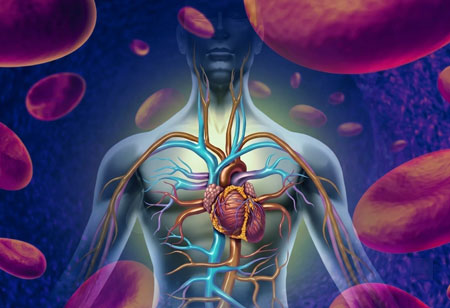
Not every thoracic condition requires surgery. However, when an operation is necessary, the choice of surgical technique depends on the patient's diagnosis, location and extent of the disease, general health, and the complexity of the procedure. Depending on the condition, surgery may be performed using conventional open techniques or minimally invasive approaches such as VATS (Video-Assisted Thoracoscopic Surgery).
Dr. Chaitanya Raut, Consultant Cardiovascular and Thoracic Surgeon, has experience in the surgical management of thoracic conditions and provides individualized treatment planning based on each patient's specific needs.
What Is Thoracic Surgery?
Thoracic surgery is a specialized branch of surgery focused on conditions affecting the organs and structures located inside the chest, excluding the heart in the context of most thoracic procedures.
Thoracic surgical procedures may involve the lungs, pleura, chest wall, mediastinum, and other structures. The goal is to treat the underlying condition while preserving as much healthy lung and surrounding tissue as safely possible.
When Is Thoracic Surgery Recommended?
Thoracic surgery may be recommended when a condition cannot be adequately managed with medicines or other non-surgical treatments, or when surgery provides the best option for diagnosis or treatment.
Some conditions that may require thoracic surgical evaluation include:
- Lung tumors and selected lung cancers
- Lung nodules requiring surgical diagnosis or treatment
- Pleural diseases
- Empyema or infected fluid around the lungs
- Persistent or recurrent pneumothorax
- Selected lung infections and complications
- Conditions requiring decortication
- Selected conditions requiring lobectomy or pneumonectomy
- Selected mediastinal conditions
- Other complex diseases affecting the chest and lungs
A detailed evaluation is important to determine whether surgery is required and which surgical approach would be most appropriate.
Common Thoracic Surgical Procedures
Depending on the condition, thoracic surgery may include a variety of procedures, such as:
- VATS Surgery: A minimally invasive technique that uses a small camera and specialized instruments to perform selected chest procedures.
- Lobectomy: Surgical removal of a diseased lobe of the lung when indicated.
- Pneumonectomy: Removal of an entire lung in selected cases where it is medically necessary.
- Decortication: Removal of a thick fibrous layer surrounding the lung when it is restricting lung expansion, such as in selected cases of empyema.
- Thoracic Biopsy: Removal of a tissue sample to help diagnose certain lung or chest conditions.
- Pleural Procedures: Surgical treatment of selected conditions affecting the lining around the lungs.
VATS – A Minimally Invasive Approach
Video-Assisted Thoracoscopic Surgery (VATS) allows selected thoracic procedures to be performed through small incisions instead of the larger incision used in traditional open chest surgery.
A small camera is introduced into the chest to provide the surgeon with a magnified view of the operating area. Specialized instruments are then used through additional small incisions to perform the required procedure.
For appropriately selected patients, VATS may offer potential advantages such as smaller incisions, less postoperative discomfort, reduced scarring, and a potentially faster recovery.
Benefits of Minimally Invasive Thoracic Surgery
When a minimally invasive approach is suitable, patients may experience several potential benefits:
- Smaller surgical incisions
- Less visible scarring
- Reduced postoperative discomfort in selected cases
- Less disruption to surrounding tissues
- Earlier mobilization after surgery
- Potentially shorter hospital stay
- Potentially faster return to routine activities
However, minimally invasive surgery is not appropriate for every patient. In some complex conditions, conventional open surgery may provide safer and more effective access.
How Is Thoracic Surgery Planned?
Before surgery, the doctor performs a detailed evaluation to understand the patient's condition and determine the most suitable treatment approach.
Depending on the suspected condition, evaluation may include:
- Detailed medical history and physical examination
- Chest X-ray
- CT scan of the chest
- Pulmonary function tests
- Blood investigations
- Bronchoscopy or tissue biopsy when required
- Other imaging or diagnostic tests based on the condition
The patient's age, lung function, heart health, previous surgeries, other medical conditions, and the extent of the disease are considered before finalizing the treatment plan.
What Can You Expect After Thoracic Surgery?
Recovery after thoracic surgery varies depending on the type of procedure, the patient's general health, and whether the surgery was performed using a minimally invasive or open approach.
Patients may experience some chest discomfort, tiredness, coughing, or reduced energy during the early recovery period. Breathing exercises, gradual walking, adequate rest, and following the surgeon's instructions are important parts of recovery.
The healthcare team will guide the patient regarding medications, wound care, breathing exercises, physical activity, and follow-up appointments.
Care After Thoracic Surgery
Taking proper care after surgery can support healing and help reduce the risk of complications. Patients should:
- Take all prescribed medicines as directed
- Keep the surgical wound clean and follow wound-care instructions
- Perform breathing exercises as advised by the medical team
- Walk regularly and increase activity gradually
- Avoid strenuous activities until cleared by the surgeon
- Attend all scheduled follow-up appointments
- Maintain adequate nutrition and hydration as advised
- Avoid smoking and exposure to tobacco smoke
- Report unusual or worsening symptoms promptly
What Should You Eat After Thoracic Surgery?
Good nutrition is important for wound healing, maintaining strength, and supporting recovery after surgery. Patients should follow their doctor's or dietitian's recommendations, especially if they have diabetes, kidney disease, or other medical conditions.
A balanced diet during recovery may include:
- Fresh fruits and vegetables
- Whole grains such as oats, whole-wheat foods, and brown rice
- Pulses, beans, and lentils
- Protein-rich foods to support tissue healing
- Lean sources of protein such as fish, eggs, or other suitable options
- Healthy fats in appropriate quantities
- Adequate fluids unless your doctor has advised fluid restriction
It is generally advisable to limit excessive processed foods, deep-fried foods, excessive salt, sugary drinks, and foods high in unhealthy fats. Your individual diet should always be based on your medical condition and recovery requirements.
Breathing Exercises After Thoracic Surgery
Because thoracic surgery involves the chest and lungs, breathing exercises can be an important part of postoperative recovery. Your medical team may recommend deep-breathing exercises, coughing techniques, incentive spirometry, and gradual physical activity to help improve lung expansion and reduce the risk of respiratory complications.
Patients should perform these exercises exactly as instructed by their doctor or physiotherapist.
Warning Signs After Thoracic Surgery
Some discomfort and tiredness can be expected during recovery, but certain symptoms require prompt medical attention.
- Increasing or severe chest pain
- New or worsening difficulty in breathing
- Persistent or high fever
- Increasing redness, swelling, or discharge from the wound
- Sudden or worsening cough
- Coughing up significant amounts of blood
- Severe dizziness, fainting, or unusual weakness
- Sudden swelling or pain in the legs
If symptoms are severe, sudden, or rapidly worsening, seek urgent medical attention.
Why Choose an Experienced Thoracic Surgeon?
Thoracic surgery requires careful evaluation and precise surgical planning because the lungs and other structures within the chest play an essential role in breathing and overall health. An experienced cardiovascular and thoracic surgeon can assess the condition, discuss available treatment options, and determine the most appropriate surgical approach.
The goal is not only to treat the underlying disease but also to protect healthy lung function and support a safe recovery.
Expert Thoracic Surgical Care
Dr. Chaitanya Raut is a Consultant Cardiovascular and Thoracic Surgeon with extensive experience in Thoracic Surgery and VATS procedures. His clinical expertise includes VATS, decortication, lobectomy, pneumonectomy, cardiac surgery, Minimal Access Cardiac Surgery, and vascular surgery.
Dr. Raut takes a patient-focused approach to thoracic surgical care, carefully evaluating each patient's condition before recommending the most appropriate treatment. His aim is to provide safe, precise, and personalized surgical care while supporting patients throughout their recovery.
Experiencing persistent chest symptoms or have you been advised to undergo thoracic surgery? A detailed evaluation can help identify the right treatment approach for your condition. Consult Dr. Chaitanya Raut for expert thoracic surgical care and personalized treatment guidance.