Blogs
Understanding VATS Surgery & Its Advantages
Video-Assisted Thoracoscopic Surgery (VATS) is a minimally invasive surgical technique used to diagnose and treat conditions affecting the chest, lungs, pleura, and other structures within the thoracic cavity. Unlike conventional open chest surgery, VATS is performed through small incisions using a thoracoscope equipped with a camera, allowing the surgeon to view the operating area on a monitor.
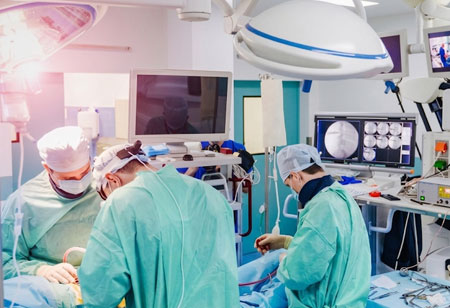
VATS has become an important approach in modern thoracic surgery because it can allow surgeons to perform a range of procedures through smaller incisions. For appropriately selected patients, this minimally invasive technique may help reduce postoperative discomfort and support a faster recovery.
What Is VATS Surgery?
Video-Assisted Thoracoscopic Surgery is performed using a small camera called a thoracoscope, which is inserted through a small incision between the ribs. The camera provides a magnified view of the chest cavity on a high-definition monitor, while specialized surgical instruments are introduced through additional small incisions.
This allows the surgeon to diagnose or treat certain thoracic conditions without requiring the larger incision associated with traditional open chest surgery.
How Is VATS Surgery Performed?
VATS is generally performed under general anesthesia. The surgeon creates small openings in the chest wall through which the thoracoscope and specialized instruments are inserted.
The camera provides a clear view of the lungs and surrounding structures, enabling the surgeon to perform the required procedure with precision. Depending on the patient's condition, VATS may be used for diagnostic procedures, tissue sampling, lung surgery, or treatment of conditions affecting the pleura and chest cavity.
Conditions That May Be Treated with VATS
VATS can be used for the diagnosis and treatment of several thoracic conditions. Depending on the individual case, procedures may include:
- Lung nodules and selected lung tumors
- Pleural diseases and pleural effusion
- Empyema and infected fluid collections
- Pneumothorax or collapsed lung
- Selected lung infections
- Thoracic biopsies
- Selected mediastinal conditions
- Decortication procedures
- Selected lung resections, including lobectomy
The suitability of VATS depends on the type, location, and severity of the condition as well as the patient's overall health and surgical requirements.
Advantages of VATS Surgery
One of the main advantages of VATS is that it allows certain thoracic procedures to be performed through smaller incisions. For appropriately selected patients, this may offer several potential benefits:
- Smaller Incisions: VATS uses small incisions instead of the larger opening required for traditional thoracic surgery.
- Less Postoperative Pain: Smaller incisions may result in reduced discomfort following surgery.
- Reduced Scarring: Smaller surgical openings can lead to less visible scars.
- Shorter Hospital Stay: Selected patients may be able to return home sooner following surgery.
- Faster Recovery: Minimally invasive surgery may support an earlier return to routine activities.
- Reduced Surgical Trauma: The smaller access points may cause less disruption to surrounding tissues compared with open surgery.
VATS vs Open Thoracic Surgery
Traditional open thoracic surgery may require a larger incision to provide direct access to the chest cavity. VATS, on the other hand, uses small incisions and a camera-assisted approach.
For suitable patients, VATS can provide the required surgical access while potentially reducing postoperative discomfort and recovery time. However, open surgery may still be necessary for certain complex conditions or when a larger surgical access is required.
The decision between VATS and open surgery is made after considering the patient's diagnosis, anatomy, overall health, and complexity of the procedure.
Recovery After VATS Surgery
Recovery after VATS depends on the procedure performed and the patient's overall health. Because VATS generally involves smaller incisions, patients may experience less postoperative discomfort and may resume normal activities sooner than after certain open surgical procedures.
Patients are usually advised to follow their surgeon's instructions regarding medications, wound care, breathing exercises, physical activity, and follow-up appointments. Proper postoperative care is important for a safe and smooth recovery.
Is VATS Suitable for Everyone?
VATS is not appropriate for every patient or every thoracic condition. The surgeon may recommend conventional open surgery when the disease is extensive, the anatomy is complex, or a larger surgical exposure is required.
A detailed evaluation, including appropriate imaging and other diagnostic tests, helps the surgical team determine the safest and most effective approach for each patient.
Advanced Thoracic Surgical Care
Dr. Chaitanya Raut, Consultant Cardiovascular and Thoracic Surgeon, has extensive experience in Thoracic Surgery and VATS (Video-Assisted Thoracoscopic Surgery). His clinical expertise includes VATS procedures, decortication, lobectomy, pneumonectomy, cardiac surgery, minimal access cardiac surgery, and vascular surgery.
With a patient-focused approach, Dr. Raut evaluates each patient's condition carefully to determine the most appropriate surgical technique. The aim is to provide effective treatment while prioritizing patient safety, precision, and recovery.
Remember: VATS can offer important advantages for appropriately selected patients, but the best surgical approach depends on the individual condition. If you have a lung or thoracic condition requiring surgery, consult an experienced thoracic surgeon for a detailed evaluation and personalized treatment plan.