Blogs
Warning Signs of Vascular Disease You Should Know
Vascular disease refers to conditions that affect the blood vessels responsible for carrying blood throughout the body. When arteries or veins become narrowed, blocked, weakened, or damaged, blood circulation can be affected and may lead to serious health complications.
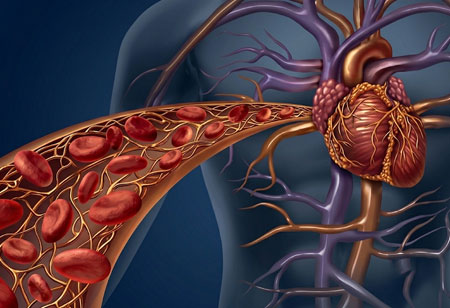
Vascular conditions can develop gradually, and some people may not notice symptoms until the disease becomes more advanced. Recognizing the early warning signs and seeking timely medical evaluation can help identify circulation problems and allow appropriate treatment to begin.
What Is Vascular Disease?
Vascular disease includes a wide range of conditions affecting the body's arteries and veins. These conditions can interfere with normal blood circulation and may affect the limbs, heart, brain, kidneys, and other organs.
Common vascular problems include peripheral artery disease (PAD), deep vein thrombosis (DVT), varicose veins, aneurysms, and other arterial or venous disorders. Early diagnosis is important because untreated vascular disease can sometimes progress and cause serious complications.
Common Warning Signs of Vascular Disease
The symptoms of vascular disease can vary depending on the blood vessels involved. Some common warning signs include:
- Leg Pain While Walking: Pain, cramping, or heaviness in the legs during walking or physical activity that improves with rest may indicate reduced arterial blood flow.
- Swelling in the Legs: Persistent swelling, particularly in one leg, may be associated with a venous circulation problem.
- Numbness or Weakness: Reduced blood circulation to the limbs may cause numbness, weakness, or unusual sensations.
- Cold Hands or Feet: Extremities that frequently feel colder than usual may sometimes indicate reduced blood flow.
- Skin Color Changes: Pale, bluish, or unusually dark skin on the legs or feet can be a warning sign of circulation problems.
- Slow-Healing Wounds: Cuts or sores on the feet or legs that take unusually long to heal may occur when blood supply is reduced.
- Visible or Enlarged Veins: Prominent, twisted, or swollen veins may be associated with venous disease.
Symptoms of Arterial Disease
Arterial disease occurs when arteries become narrowed or blocked, reducing blood flow to tissues. One of the common conditions is peripheral artery disease, which can affect circulation in the legs.
Possible symptoms include:
- Cramping or pain in the legs while walking
- Leg fatigue or heaviness during physical activity
- Coldness in the feet or lower legs
- Numbness or weakness in the legs
- Changes in skin color or texture
- Slow-healing wounds on the feet or legs
- Reduced hair growth on the legs or feet
These symptoms should not be ignored, particularly when they persist or gradually become worse.
Symptoms of Venous Disease
Venous disorders affect the veins that carry blood back toward the heart. Problems with venous circulation may cause blood to collect in the legs and can lead to swelling and discomfort.
Possible symptoms include:
- Swelling around the ankles or legs
- Aching, heaviness, or discomfort in the legs
- Visible or enlarged veins
- Skin discoloration around the ankles
- Itching or irritation of the skin
- Leg discomfort that worsens after prolonged standing
When Is Vascular Disease an Emergency?
Some vascular conditions require urgent medical attention. Sudden severe pain, swelling, discoloration, or loss of sensation in a limb can indicate a serious circulation problem.
Seek immediate medical attention if you experience:
- Sudden severe pain or swelling in one limb
- Sudden coldness or discoloration of an arm or leg
- Sudden loss of sensation or movement in a limb
- A rapidly worsening wound or infection
- Sudden chest pain or difficulty breathing associated with a possible blood clot
Prompt evaluation is important because certain vascular emergencies can cause permanent tissue damage or become life-threatening if treatment is delayed.
Who Is at Higher Risk?
The risk of vascular disease can increase with certain health conditions and lifestyle factors, including:
- Diabetes
- High blood pressure
- High cholesterol
- Smoking or tobacco use
- Obesity and physical inactivity
- Increasing age
- Family history of vascular disease
- Existing heart or blood vessel disease
Managing these risk factors through regular medical check-ups, appropriate treatment, physical activity, and healthy lifestyle choices can help protect vascular health.
How Is Vascular Disease Diagnosed?
A vascular specialist may begin with a detailed medical history and physical examination. Depending on the symptoms and suspected condition, additional tests may be recommended to assess blood flow and identify blockages or other abnormalities.
Diagnostic evaluation may include vascular ultrasound, Doppler studies, CT angiography, MR angiography, or other investigations as clinically appropriate.
Vascular Surgery and Treatment Options
Treatment depends on the type and severity of vascular disease. Some patients may benefit from lifestyle changes and medications, while others may require an interventional or surgical procedure.
Depending on the condition, treatment may include:
- Medications to manage cardiovascular risk factors
- Lifestyle and exercise-based management
- Angioplasty and vascular stenting
- Embolectomy or removal of a blood clot
- Peripheral artery bypass procedures
- Surgical treatment of selected vascular conditions
The appropriate treatment is selected after a detailed evaluation of the patient's symptoms, circulation, overall health, and specific vascular condition.
Expert Vascular Surgical Care
Dr. Chaitanya Raut, Consultant Cardiovascular and Thoracic Surgeon, has clinical expertise in the management of vascular conditions and peripheral vascular procedures. His experience includes procedures such as embolectomy, peripheral artery bypass grafting, and A-V fistula surgery.
With a comprehensive approach to cardiovascular, thoracic, and vascular care, Dr. Raut focuses on accurate diagnosis, appropriate treatment planning, and patient-centered surgical care.
Remember: Vascular disease can sometimes progress without obvious symptoms. Persistent leg pain, swelling, numbness, skin changes, or slow-healing wounds should not be ignored. Early evaluation can help identify circulation problems and allow timely treatment to protect your vascular health.